


By Steve “The Doctor” Meek | Talk To Th3 Doc Podcast | The Fulcrum Group, Inc.
🎙️ Doctor’s Diagnosis: A Podcast Doc-umentary — Destination Workplace Leadership
Episode 128
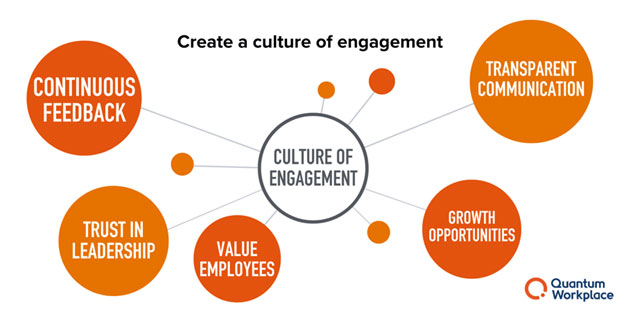
I sat down with Betsy Allen-Manning, Founder and CEO of Destination Workplace enjoyed getting great leadership advice I could also use. She said culture matters, which I think we all know, but she also framed leadership and culture as operating conditions, not soft skills.
That framing matters, especially for SMB and government executives in DFW who are trying to scale without losing their best people. And yes, I kept thinking about it until bedtime, somewhere between watching NBAer Anthony Davis getting injured again and re-reading a chapter of The Phoenix Project. Interrupting regular and frequent happenings is how I know a conversation was a good one.
Why This Matters (Fulcrum’s “Why”)
At The Fulcrum Group, our purpose has always been simple to say and hard to do: help leaders build organizations that work better tomorrow than they do today. This is not just answering the phone quickly when things break, but preventing system breaks, improving workflows like onboarding, replacing legacy approaches and strategizing via priority, instead of trying to bite off everything at once. We always ask “why this” so we don’t get caught in just settling for shinier tools, but environments where people can do their best work without unnecessary friction.
Betsy’s idea of a destination workplace lines up squarely with that purpose. People do not stay because of perks alone. They stay because leadership, culture, and systems pull in the same direction. They stay for people with purpose of fixing or replacing things, instead of just patching. They stay for purpose.
The Problem Leaders Are Facing
Here’s the challenge I see every week. Leaders want to retain talent, innovate responsibly, and use technology to scale. But they are stuck in firefighting mode. Systems sprawl, security risks creep in and tools pile up faster than clarity.
Betsy said it best during the episode, “everyone at every level either contributes to the culture or contaminates it.” Technology is no exception. If systems are unreliable, unclear, or reactive, culture takes the hit first.
This is where executives sometimes underestimate their role. You can delegate IT execution, but you cannot delegate IT leadership. IT can promote your organization as a quality employer. What does work with slow systems, not training people, using legacy applications or not embracing the future say about an employers care for their people? Maybe something like they don’t care.
The reverse is then employers that provide great tools and technology to their team(s), they probably see employees as highly valued individuals worth trying to make sure their work is easier and that they are hoping to retain them long-term.
The Fulcrum Way: STARpower in Action
Our answer at Fulcrum is not random improvement or technology chasing but rather process and structure. Specifically, our STARpower Framework, which borrows heavily from the ITIL v4 continuous improvement model and real-world SMB experience (scaling down from enterprise designs).
STARpower starts with where you are and contemplates vision and alignment. What is the business trying to become, and how should technology support that? From there, we assess the current state in detail, define a target state, prioritize what matters most, and move forward in small, measurable steps.
Think of it like most sports training. Basketball, martial arts, baseball and every sport start with stances. They work on footwork. They drive athletes to make sure the foundation is correct before dribbling, kicking and batting (hey, ever notice those stances are all quite similar). Best practice process usually says to master the basics and refines constantly. Technology works best the same way.
A Real-World Insight Leaders Miss
One stat from the episode appeals to me as a leader myself in a non-enterprise organization. Roughly two thirds of employees leave because of poor leadership and toxic culture. Not pay, food in a breakroom, office or hybrid work, or job duties but rather leadership.
In our world, leadership shows up in how systems behave under pressure. Do they fail during onboarding? Do security controls slow people down unnecessarily? Does remote work feel supported or duct-taped together? When systems reinforce leadership intent, trust grows. When they fight it, people quietly start updating their résumés.
Key Takeaways and FAQs
What is a destination workplace?
A workplace where people choose, promote, and stay with because leadership, culture, and systems align. The best places are “of purpose” or rally behind a cause for like-minded people to follow.
Why does technology matter to culture?
Because daily friction erodes trust faster than any policy memo ever will. A modern, easy-to-use application is like having the exact right wrench in your toolbox. If you’ve ever had to remove a nut with pliers or vice grips, then you understand the impact of sub-standard technology on an employee’s mindset.
How does STARpower help retention?
By aligning IT improvements with business goals and current business context, not random upgrades. SMBs and government entities usually struggle with budget and time, so doing the more important items first is critical.
What should executives do differently?
Lead technology strategy as a business discipline, not a side project. If you think it is hard to comprehend the logic of IT, remember, it’s probably harder for a hands-on IT person to artfully interpret your duties and obligations of determining technology priorities such as when to save, when additional investigation is warranted and when investment is impactful and needed.
Is this only for large companies?
No. Actually, SMBs benefit the most because misalignment costs them more, they have a smaller margin of error and fewer opportunities. Consider the 10x versus 2x thinking that identifying rainmaking ideas first helps drive organizational success.
Call to Action
If this conversation resonated, I invite you to watch or listen to Episode 128 of Talk To Th3 Doc and hear Betsy’s specific insights directly. You can find it here:
👉 https://youtu.be/mX_Xh-1pn0Q
If you want help aligning leadership, culture, and technology inside your organization, let’s talk. That first conversation is always about clarity, not selling.
About the Author — Steve “The Doctor” Meek, CISSP
Steve “The Doctor” Meek is a DFW-based IT strategist, cybersecurity leader, podcast host, and co-founder of a 24-year technology legacy in North Texas. A recipient of the 2024 MSP Titan of Industry Award for Community Impact, Steve brings decades of experience helping CEOs, city managers, and healthcare and manufacturing leaders navigate cybersecurity, AI readiness, and operational resilience. As host of Talk To Th3 Doc, he explores leadership and ownership topics to find practical insights for SMB decision-makers.
Founded in Keller, TX, The Fulcrum Group, Inc. delivers relationship-centered DFW Managed IT Services through its flagship SPOT Managed IT Services and SPOT Managed Security Services platforms. Using its proprietary STARPower™ Framework, Fulcrum helps businesses strengthen security, modernize operations, and plan technology with clarity and confidence. With a 100% Texas-based team and a “No IT Jerks” philosophy, Fulcrum has earned repeated national recognition on the MSP 501 and CRN Top 500, serving SMBs, local governments, and mission-driven organizations across North Texas.