By Steve “The Doctor” Meek | Talk To Th3 Doc Podcast | The Fulcrum Group, Inc.
🎙️Doctor’s Diagnosis: A Podcast Doc-umentary: Strategy Before Tactics Episode 139
William Collins joined me on the podcast to talk about stalled growth, scattered marketing, and why leaders need a real strategy before they ask for more leads. It reminded me of something I see all the time in IT, too, which is that activity can look an awful lot like progress, right up until you check the scoreboard.
Introduction, Lead With Why
At The Fulcrum Group, we exist to help leaders make better technology decisions with more clarity and less chaos. In fact, if you want to learn a little bit more about me, you can see my “why” in creating Fulcrum Group and the reasoning behind the creation of our name.
We serve organizations across Keller, Fort Worth, and the entire DFW region that need more than a help desk, they need a steady hand, a smart process, and people who treat them with respect. That is a big part of our SPOT Managed IT Services model, our SPOT Managed Security Services, and our STARPower™ Framework, which ties technology back to business goals instead of letting it drift into random acts of improvement.
When William and I talked, he kept coming back to a phrase that made me smile because it fits marketing and IT alike, random acts of marketing. That is the habit of doing lots of activity without a roadmap, a baseline, or a clear definition of success. In our world, I would call the technology version random acts of IT, buying tools, starting projects, patching pain points, and hoping the pile somehow becomes a strategy.
The Problem or Question
Here is the challenge for SMB executives and IT decision-makers in DFW.
- A business owner says, “We need more leads.”
- A department head says, “We need better IT support.”
- A city leader says, “We need better cybersecurity.”
Those can all be true, but sometimes they are really surface-level symptoms. William said many companies ask for more leads, then the real issue turns out to be strategy, alignment, or missing leadership. I see the same thing when a company asks for a new security tool, but what it really lacks is prioritization, documentation, accountability, or a roadmap.
That is why I tell leaders they are still the premier subject matter expert on their organization. We can discuss technology all day long, and William can discuss marketing all day long, but the executive team knows the business, the mission, the constraints, the politics, and the customer realities. We co-create success with leadership, we do not replace it. That is as true for managed IT services in DFW as it is for growth strategy.
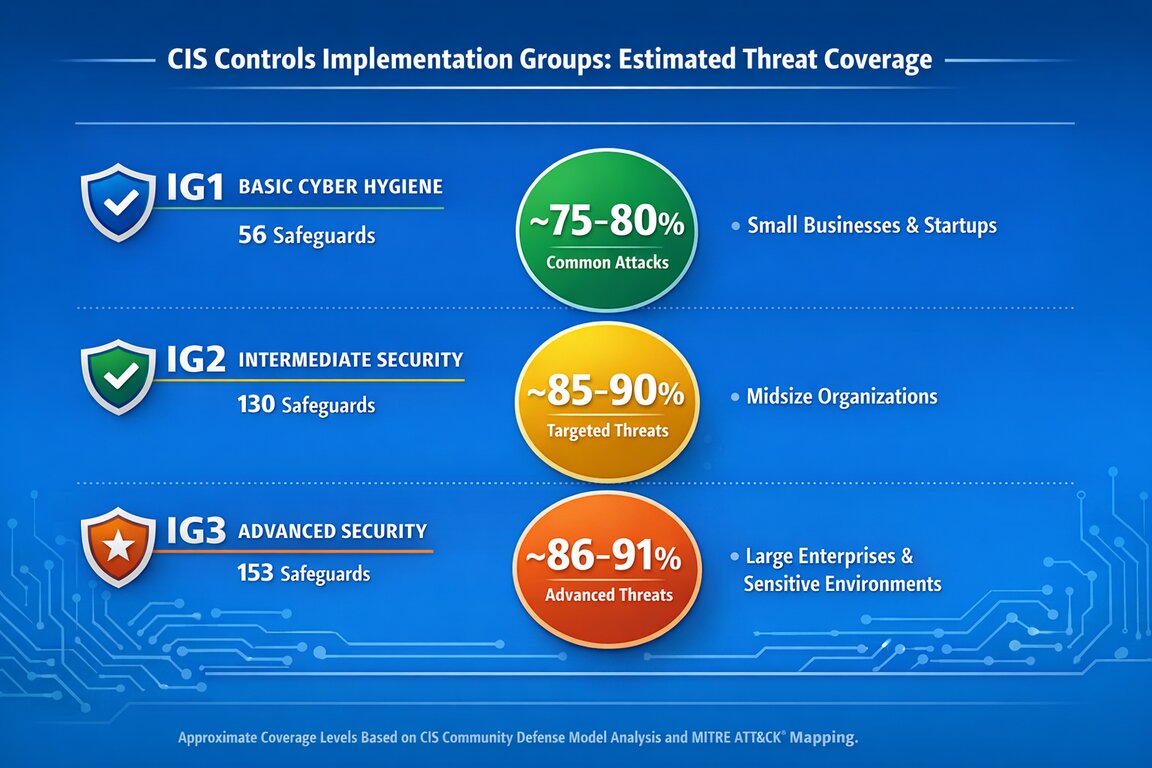
Right now, that matters even more. Buyers are doing more homework before they ever talk to sales, and marketing teams must factor that into how they market and create structured approaches. Similarly, the Center for Internet Security (CIS) has created a set of Critical Security Controls and urges organizations to strengthen cyber posture, but some leaders aren’t sure where to start. CIS crafted Implementation Group 1 to represent a starting point, a prioritized organization of the efforts needed for Essential Cyber Hygiene. Leaders can now do their cybersecurity homework and come away with a list they can ask their IT people about, to make sure they are protected.
The Fulcrum Way
This is where Fulcrum’s approach just makes sense. We do not just keep the lights on, we build process around the journey. Our STARPower™ Framework is meant to align your IT to business vision, establish a baseline, define a target state, prioritize the next few goals, and then improve in measured steps, over and over again. That is founded on ITIL’s continual improvement model, and it is also why our quarterly success reviews matter so much. They keep technology from becoming a bag of unrelated tasks (I kind of wanted to say crap here).
Our SPOT Managed IT Services are built around strategy, daily support, visibility, and follow-through. Our SPOT Managed Security Services add the discipline many SMBs and local governments need when risk, compliance, or resilience starts getting more serious. We include a broad tool stack, we focus on automation and root-cause elimination, and we document environments so clients do not have to rely on tribal knowledge and crossed fingers. We use over 30 discrete tools for different purposes and our clients’ needs evolve. And now, we have our own internal AI initiatives to get see across all those tools to better understand your complete baseline.
That is why our “No IT Jerks” philosophy is not just a cute line, it is how we choose to operate. Clear communication, live answers, relationship-first service, and local accountability matter when a leader is trying to make a hard call. A Monty Python version of bad IT would be a room full of people announcing, “This network is not dead, it is merely spread awkwardly.” That joke works because too many providers get buried under the reactive without treating the root cause. We bring it all together as a family doctor trying to make you healthier, they treat IT like emergency room doctors.
Real-World Example or Metric
William made one point I especially liked, leaders need to ask whether they have the right strategy, the right team, and the willingness to make the investment. That is strong advice for marketing, and it is strong advice for IT leadership. If you do not know your baseline, your bottlenecks, or your priorities, then your IT strategy and support is probably just expensive cardio.
He also emphasized that good strategy should connect to measurable outcomes like pipeline and closed-won revenue. In our world, I would say the technology equivalent is reducing recurring issues, improving end user experience, lowering risk, strengthening compliance posture, and giving executives a dashboard they can actually use. Other organization such as NIST’s small business guidance and the FTC’s business cybersecurity guidance both push the same basic idea, use a practical framework, measure what matters, and treat security as a business discipline, not a panic purchase.
Fulcrum’s model supports this guidance with Quarterly Success Reviews, lifecycle planning, budgeting help, documentation, monitoring, feedback loops, and security add-ons that scale with the organization. That is not glamorous, but neither is a good defense, and I have watched enough basketball and enough Dallas Mavericks games to know that getting a stop on D in clutch time doesn’t always make Sportcenter replays, but is critical to winning the game.
Key Takeaways / FAQ
What are random acts of marketing or IT?
They are disconnected activities without a strategy, baseline, or measurable target. They create motion, but not much confidence or value.
What should an executive own personally?
The vision, the organizational priorities, and the definition of value. Your provider can guide, and provide use cases but your leadership still has to pick the destination.
How does Fulcrum help prevent random acts of IT?
Through SPOT Managed IT Services, STARPower planning, quarterly success reviews, root-cause focus, and business-minded reporting that ties work back to outcomes.
Why does local expertise matter in DFW?
Because context matters. Fulcrum is headquartered in Keller, serves DFW organizations directly, and understands the rhythm of small business, local government, and mission-driven teams in North Texas.
What is the leadership lesson from this episode?
Do not ask for more activity before you ask better questions. A Mark Twain sort of fellow might say that when a man is lost, buying a faster horse mainly improves the scenery. The same goes for unmanaged tools and unmanaged tactics.
What should a leader do next?
Get clear on where you are, where you want to be, and what the next two or three priorities ought to be. Then bring in the right people to help execute with discipline.
Call to Action
If you missed Episode 139, go back and watch or listen. William Collins gave a sharp reminder that growth does not come from random acts of marketing, and I would add that stability does not come from random acts of IT either.
Watch on YouTube:
https://youtu.be/DqYb_lPgX7A?si=xvGunSANi9jBrgkG
Listen on your favorite podcast platform:
https://pod.link/1807560282
Explore more episodes and connect with Fulcrum here:
https://www.fulcrumgroup.net/talk-to-th3-doc-podcast/
If your organization wants a strategy call around managed IT services, managed security, compliance, or AI readiness in DFW, connect with The Fulcrum Group. We are local, we answer the phone, and we believe technology should help you move forward with clarity and confidence.
About the Author — Steve “The Doctor” Meek, CISSP
Steve “The Doctor” Meek is a DFW-based IT strategist, cybersecurity leader, podcast host, and co-founder of a 24-year technology legacy in North Texas. A recipient of the 2024 MSP Titan of Industry Award for Community Impact, Steve brings decades of experience helping CEOs, city managers, and healthcare and manufacturing leaders navigate cybersecurity, AI readiness, and operational resilience. As host of Talk To Th3 Doc, he explores leadership and ownership topics to find practical insights for SMB decision-makers.
Founded in Keller, TX, The Fulcrum Group, Inc. delivers relationship-centered DFW Managed IT Services through its flagship SPOT Managed IT Services and SPOT Managed Security Services platforms. Using its proprietary STARPower™ Framework, Fulcrum helps businesses strengthen security, modernize operations, and plan technology with clarity and confidence. With a 100% Texas-based team and a “No IT Jerks” philosophy, Fulcrum has earned repeated national recognition on the MSP 501 and CRN Top 500, serving SMBs, local governments, and mission-driven organizations across North Texas.